You do not need to stare at your closet for an hour to figure out why some outfits feel easy and others feel off. Your body shape can give you a useful starting point for choosing cuts, necklines, waist details, and proportions that work with your natural frame. The key is measuring a few simple areas instead of guessing from photos or clothing sizes. In this guide, I’ll show you how to know your body shape in about five minutes, how to tell pear, apple, and hourglass shapes apart, and how to use the result as a styling tool—not a rulebook.
1. Take Four Simple Measurements
You only need a soft measuring tape, a mirror, and about five minutes. Wear light clothing or fitted basics so bulky layers do not change the numbers.
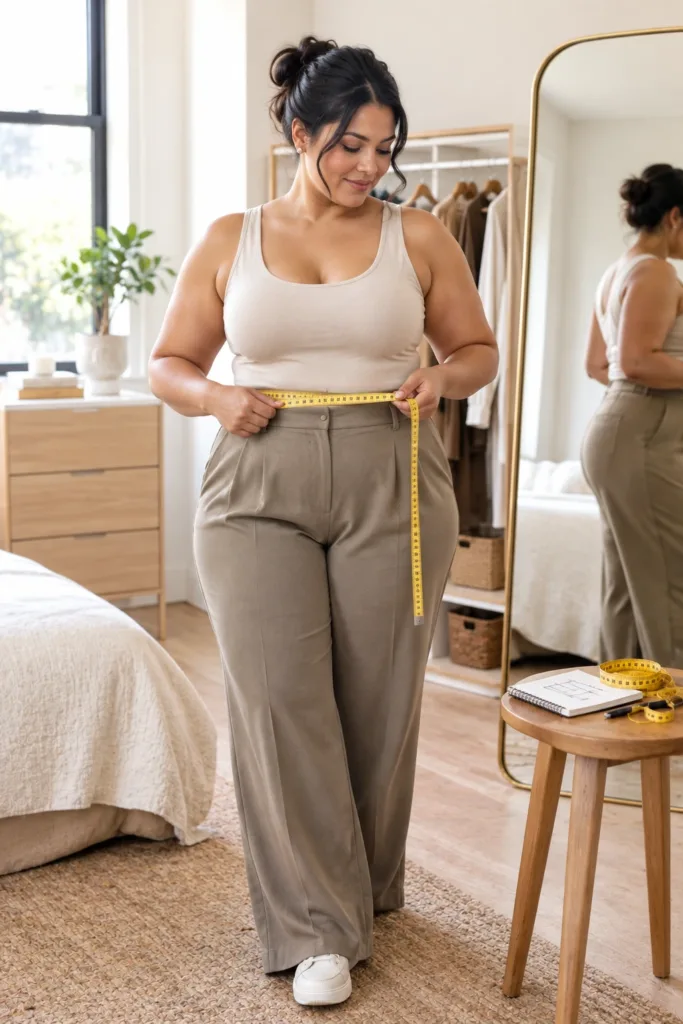
Stand naturally. Do not pull your stomach in or change your posture. Measure your shoulders, bust, waist, and hips at their fullest points.
For your shoulders, measure around the widest part of your shoulder line. If that feels hard to do alone, ask someone you trust to help. For your bust, keep the tape level across the fullest part without pulling it tight.
Next, measure your natural waist. This usually sits above your belly button and below your rib cage. Then measure your hips around the fullest part of your seat and hips.
Quick Tip: Your 4-number check
- Shoulders: widest point
- Bust: fullest point
- Waist: narrowest natural area
- Hips: fullest point
Do not worry about getting perfect numbers. You want a clear picture of your proportions, not a mathematical verdict.
2. Look at Your Proportions, Not Your Clothing Size
Your clothing size cannot tell you your body shape. Two women can wear the same size and have very different shoulder, waist, bust, and hip proportions.
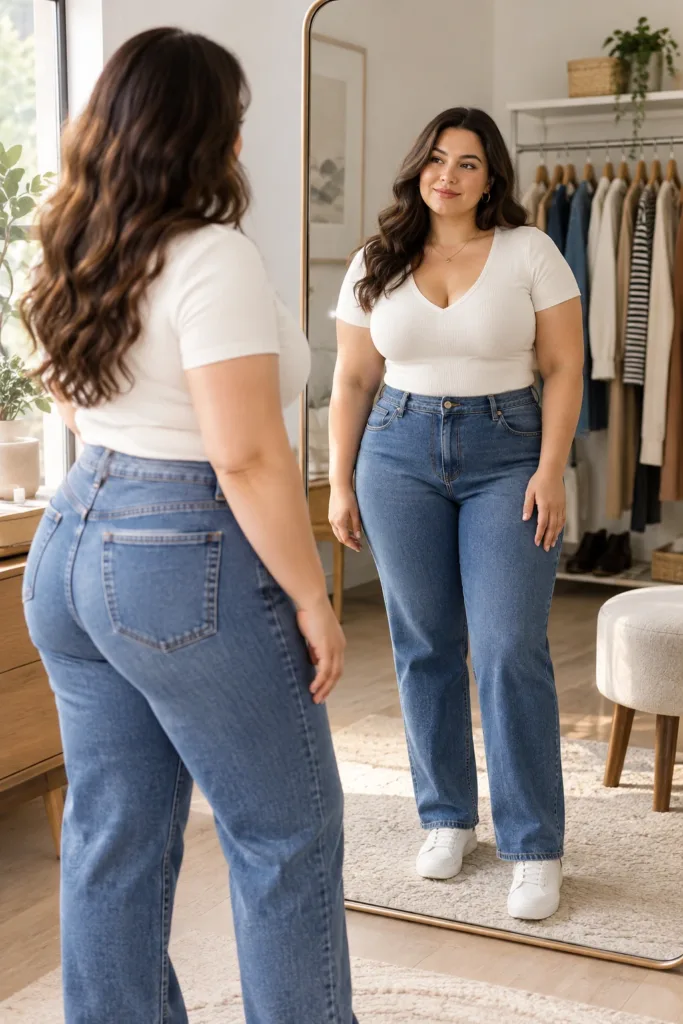
Instead, compare your measurements with each other. Ask one simple question: Where does my body naturally carry more width?
If your hips clearly measure wider than your bust and shoulders, you may have a pear shape. If your waist and midsection create more visual width while your hips and shoulders look narrower, an apple shape may fit better.
If your bust and hips look similar in width and your waist creates a clear inward curve, you may have an hourglass shape. Small differences do not matter. Your goal involves finding the closest pattern.
3. How To Know Your Body Shape: Pear vs Apple vs Hourglass
Now you can make your best match. Remember that real bodies rarely fit one perfect category, so use these shapes as styling shortcuts rather than strict labels.
Pear shape: Your hips usually create more width than your shoulders or bust. Your waist may also look clearly defined. When shopping, you may find that tops and bottoms need different sizes or fits.
Apple shape: Your middle area often creates more visual width, while your shoulders and hips may look narrower. Your waist may have less contrast with your bust and hips. You can still have curves and a defined bust without having a narrow waist.
Hourglass shape: Your bust and hips usually have similar visual width, with a noticeably narrower waist between them. Your curves may look balanced from top to bottom.
The most useful question is not, “Which shape looks best?” Ask instead, “Which proportions describe me most closely?” That answer gives you a practical starting point for getting dressed.
4. Use the Mirror Test Before You Trust the Numbers
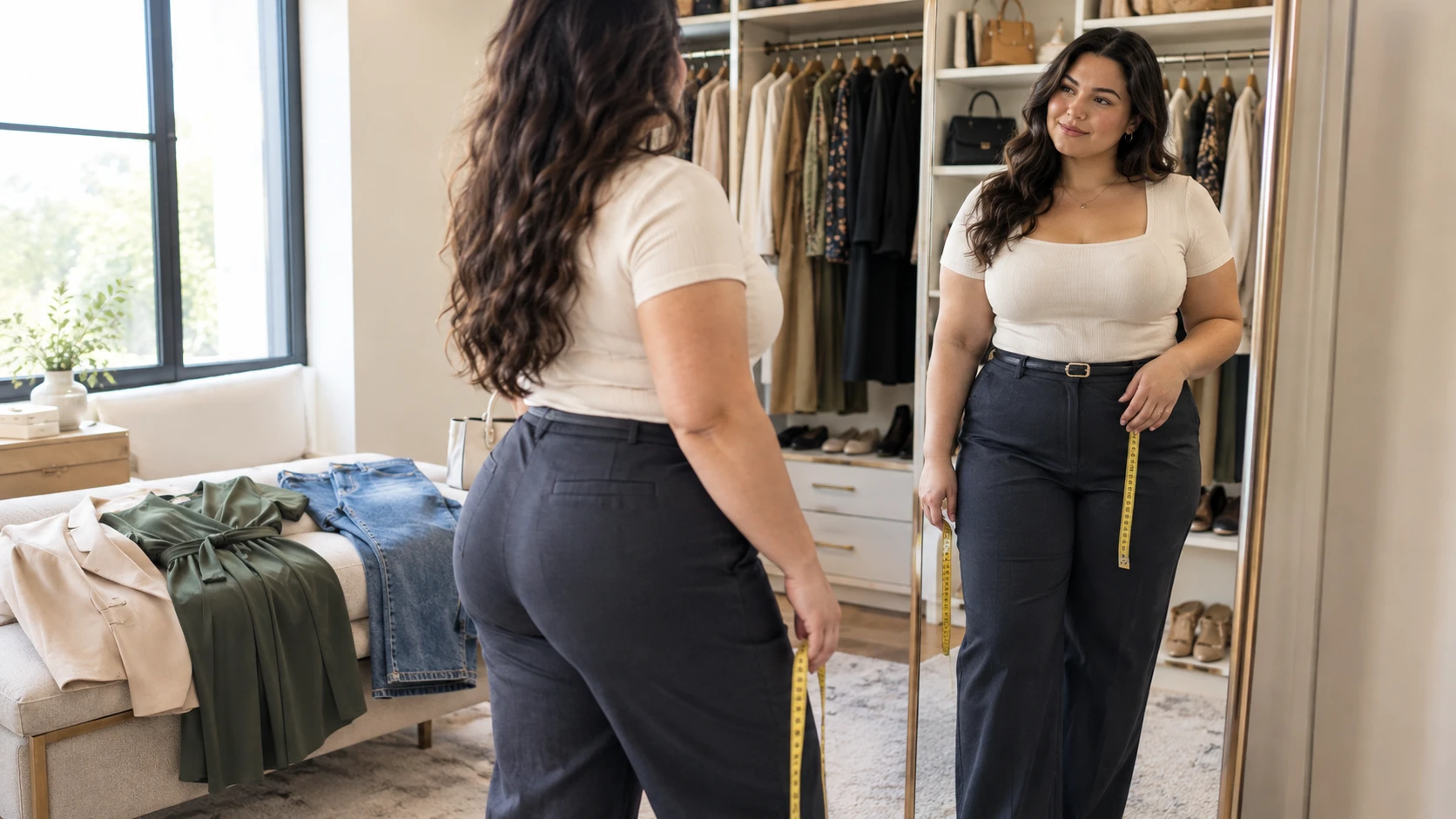
Measurements help, but the mirror can reveal something the tape cannot. Put on a simple fitted top and straight-leg pants or leggings so you can see your overall outline.
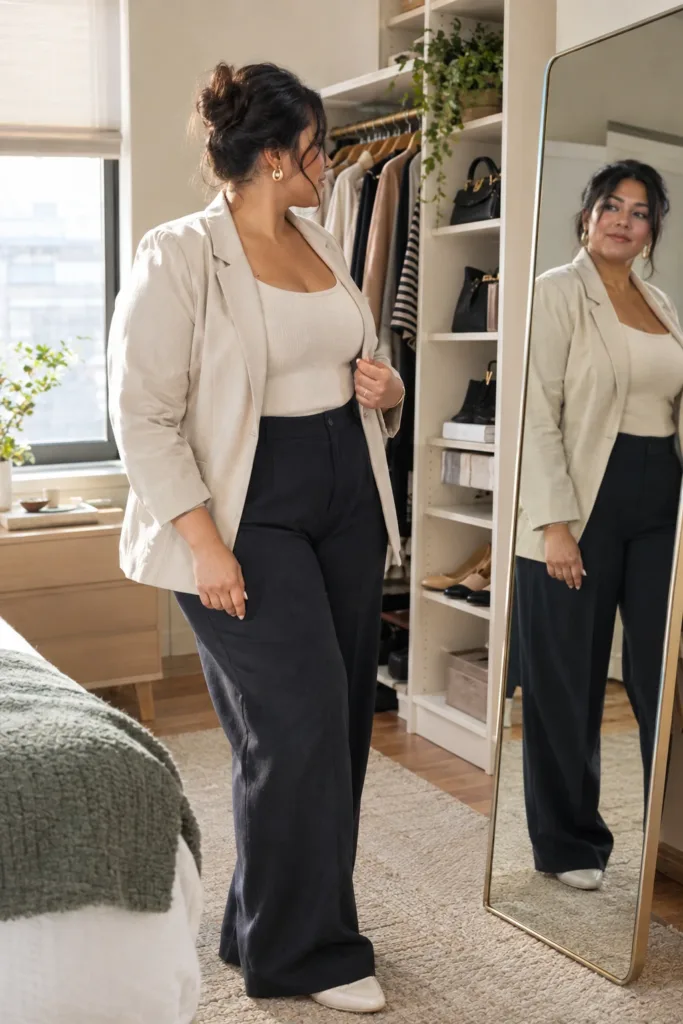
Stand relaxed and look at your front view. Then turn slightly to each side. Notice where your widest areas sit and whether your waist creates a visible change between your upper and lower body.
This step helps when your measurements sit between two categories. For example, you might have a pear-shaped measurement pattern but a balanced shoulder line that makes some hourglass styling ideas work beautifully.
Stylist trick: Take one front photo from chest height instead of holding the camera above your head. Keep the camera straight and stand naturally. This gives you a more useful proportion check than a close selfie.
5. Check Whether You Are a Classic or Blended Shape
You do not have to choose one label if two descriptions fit. Many women sit between categories.
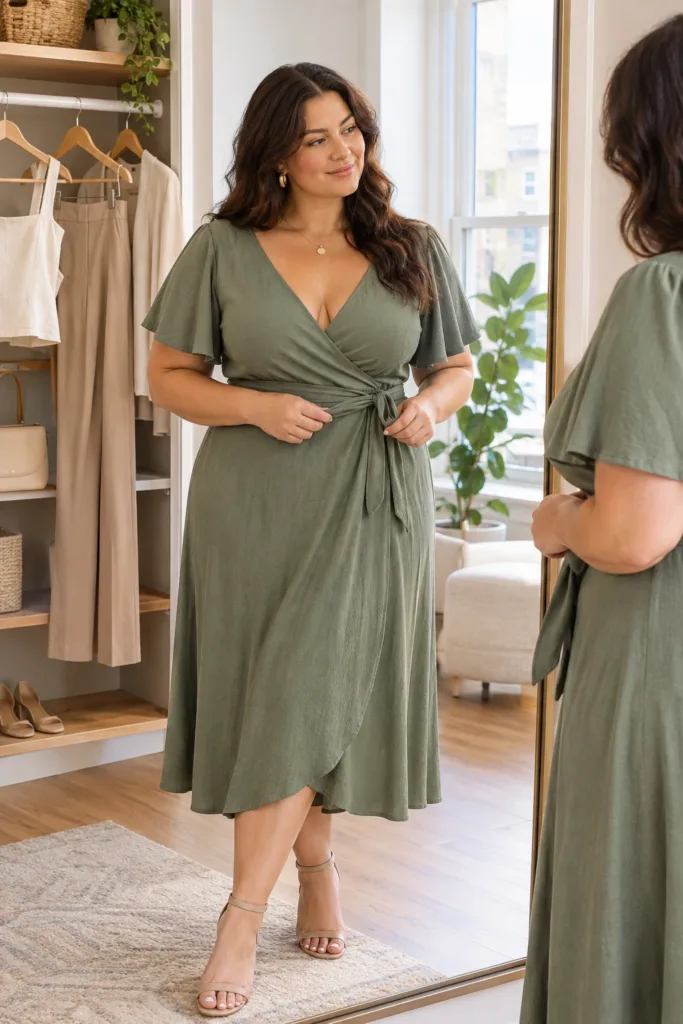
You might have a pear-hourglass blend, for example, with fuller hips but a balanced bust and a defined waist. Another person might have an apple-hourglass blend, with a fuller middle but a noticeable waist curve and balanced shoulders and hips.
Instead of forcing yourself into one box, identify your main proportion and your secondary feature. For example: “My hips are my widest point, and I have a defined waist.”
That description can help you shop better than a single shape name. It tells you exactly what to consider when choosing an outfit.
6. Turn Your Shape Into Outfit Decisions
Once you know your proportions, connect them to clothing choices. This is where body-shape knowledge becomes useful.
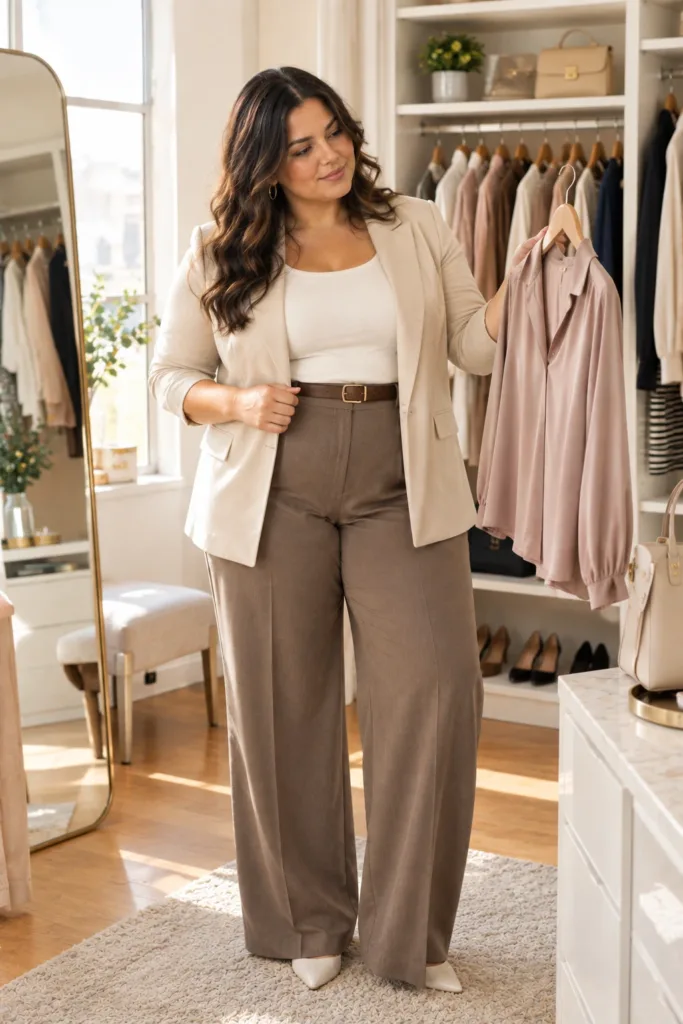
For a pear shape, you can create balance by adding visual interest near the shoulders. Square necklines, interesting sleeves, structured jackets, and brighter tops can help bring attention upward. A darker or simpler bottom can keep the full outfit feeling balanced.
For an apple shape, look for clothing that creates clean vertical lines without squeezing your middle. Open blazers, V-necks, long cardigans, straight-leg pants, and gently shaped tops can create an easy outfit line.
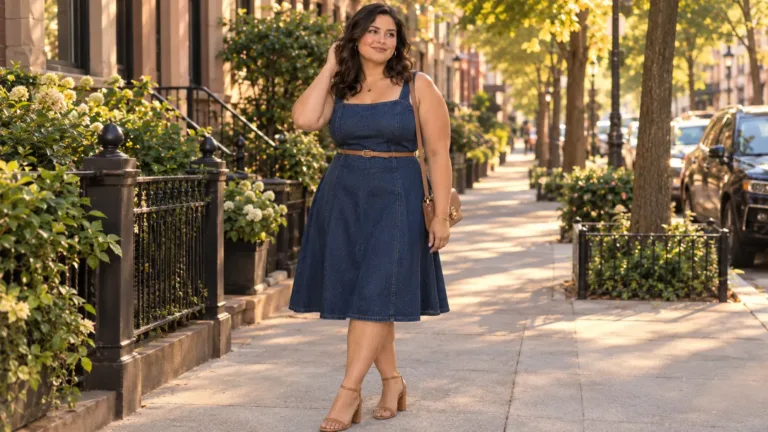
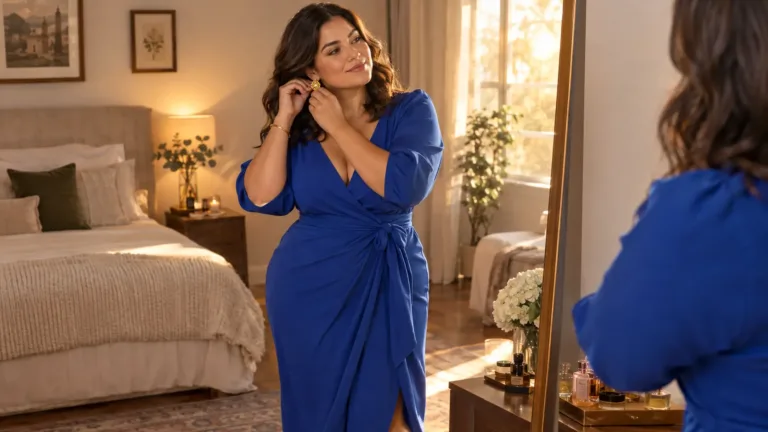
For an hourglass shape, clothing that follows your natural waist can work especially well. Wrap tops, wrap dresses, tucked-in shirts, high-rise trousers, and softly tailored jackets can show your proportions without requiring tight clothing.
The trick is not to hide anything. Use clothing to create the visual line you want.
7. Test Your Shape With Three Outfits
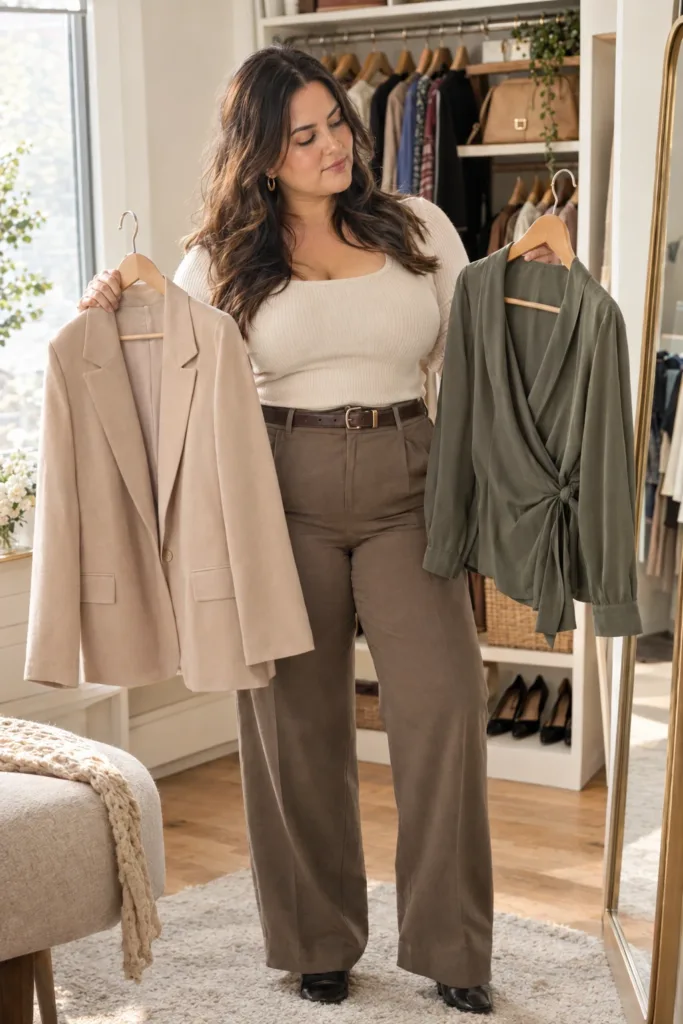
Before changing your entire closet, run a simple three-outfit test. Choose one outfit that defines your waist, one that creates a long vertical line, and one that adds structure around your shoulders or upper body.
Stand in front of a full-length mirror. Check how each outfit feels when you sit, walk, reach, and move your arms. Comfort matters because an outfit that looks good but makes you adjust it all day will not become a favorite.
Pay attention to where hems end, where waistbands sit, and where jackets stop. These small details often affect proportions more than the clothing size or label.
Keep the outfits that make you feel comfortable and confident. Your body-shape result should help you make faster choices, not give you another set of fashion rules.
FAQ: Body Shape Questions
How can I find my body shape at home?
Use a soft measuring tape to compare your shoulders, bust, waist, and hips. Then check your proportions in a full-length mirror while wearing simple fitted clothing. Look for your widest areas and the amount of contrast around your waist.
Can my body shape change over time?
Yes. Your proportions can change with age, growth, lifestyle changes, pregnancy, or other normal body changes. You can repeat the measurement check whenever your clothes start fitting differently.
What if I do not fit pear, apple, or hourglass?
That is completely normal. Body-shape categories simplify many different body types into a few broad patterns. If you sit between two shapes, use both as styling references and focus on the proportions that matter most to you.
Conclusion
Learning how to know your body shape takes only a few minutes, but the real benefit comes from using that information wisely. Measure your key areas, check your proportions, identify your closest shape, and test clothing instead of following strict rules. Your body shape should make getting dressed easier—not more complicated. Once you understand your proportions, you can build outfits that feel comfortable, balanced, and confidently yours. For more practical ideas, explore a guide to finding your most flattering everyday outfit formulas.